How to Rent a Motorbike in Vietnam (2026)
Everything you need to know about renting a motorbike in Vietnam — from choosing the right bike and understanding rental prices to licenses, insurance, and staying safe on the road.
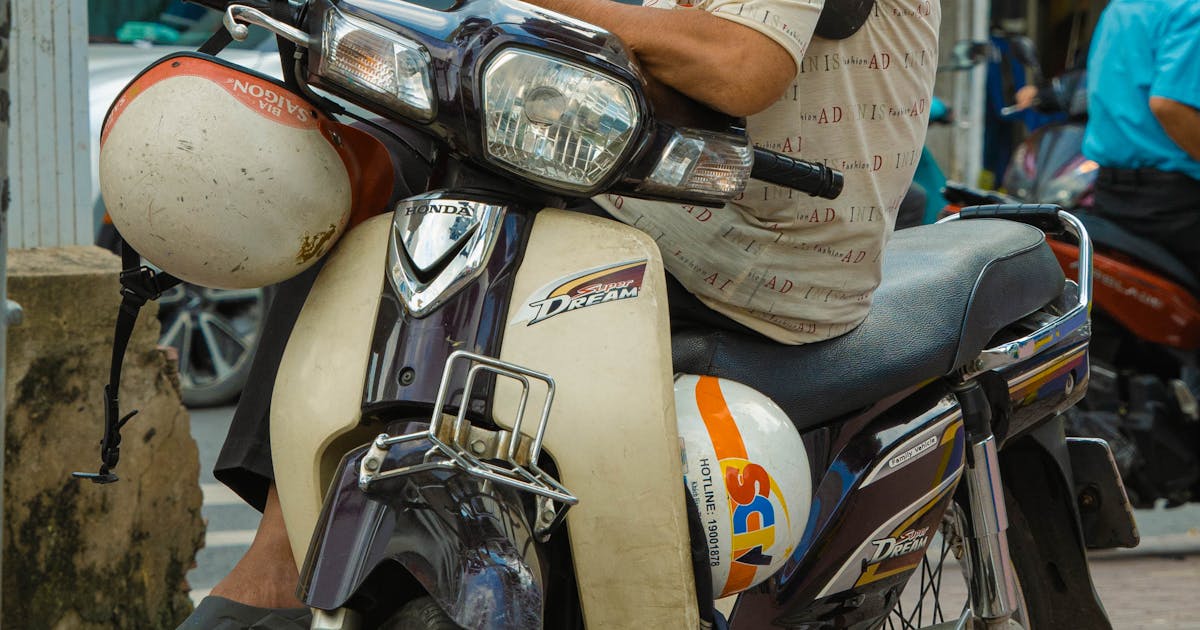
Why rent a motorbike in Vietnam?
Vietnam is a country built for two wheels. From the chaotic charm of Ho Chi Minh City to the jaw-dropping mountain passes of Ha Giang, a motorbike gives you the freedom to explore at your own pace — stopping wherever the view, the street food, or your curiosity pulls you.
For travellers, it's the most affordable and flexible way to see the country. For expats, it's simply how you get around. Public transport exists, but it won't take you to that hidden beach or that banh mi stall down a narrow alley.
Choosing the right bike
Not all motorbikes are created equal, and the right choice depends on where you're riding and how long you'll be out.
Scooters (100–125cc)
Perfect for city riding and short trips. Models like the Honda Vision, Honda Lead, and Yamaha Janus are lightweight, fuel-efficient, and easy to handle — even if you've never ridden before. Most rental shops in Ho Chi Minh City stock these as their bread and butter.
Best for: City commuting, short day trips, first-time riders.
Semi-automatics (110–150cc)
The Honda Wave and Honda Blade sit between scooter and manual. They have a clutchless gear system that gives you more control on hills without the complexity of a full manual transmission. Great for longer rides where you want a bit more power.
Best for: Mixed city and highway riding, budget-conscious travellers.
Adventure / manual bikes (150–250cc)
For serious touring — the Ha Giang loop, the Hai Van Pass, or a cross-country trip from Saigon to Hanoi — you'll want something with real power. The Kawasaki Versys-X 300 (296cc, 40 HP) and Honda CB500X 2022 (471cc, 46.9 HP) are our top picks. Both handle mountain roads, loose gravel, and long highway stretches with ease.
Best for: Multi-day trips, mountain passes, experienced riders.
How much does it cost?
Rental prices in Vietnam are some of the most affordable in Southeast Asia. For current pricing on all bike types, browse our full fleet.
Tip: Monthly rates offer the best value. If you're staying more than two weeks, always ask for a monthly price — most shops will negotiate.
Prices vary by city. Ho Chi Minh City and Hanoi tend to be the most competitive because there are more rental shops. Smaller towns like Phong Nha or Ha Giang may charge a premium, especially during peak season (October–December).
Do you need a license?
This is the question every foreigner asks — and the answer is nuanced.
Legally, yes. Vietnamese law requires all riders to have a valid Vietnamese driving license or an International Driving Permit (IDP) that's been endorsed in Vietnam. In practice, enforcement varies widely — but if you're in an accident without a valid license, your travel insurance almost certainly won't cover you.
Your options
-
International Driving Permit (IDP): Get this in your home country before you travel. It must include a motorcycle endorsement. Note that Vietnam technically requires the IDP to be "converted" at a local transportation department, but many travellers ride with just the IDP.
-
Vietnamese license conversion: If you're staying long-term (expats, digital nomads), converting your home license to a Vietnamese one is the safest option. It involves a health check, paperwork, and a short practical test. 247 Motorbikes offers a license conversion service to handle the process for you.
-
No license: Many travellers ride without any license at all. We don't recommend this — beyond the legal risk, you're uninsured if anything goes wrong.
What to check before you ride
Before you hand over your passport (more on that below) and ride off into the sunset, do a proper inspection:
- Brakes — squeeze both front and rear. They should feel firm, not spongy.
- Tyres — check tread depth and look for cracks or bulges. Bald tyres on wet Vietnamese roads are genuinely dangerous.
- Lights — headlight, tail light, turn signals. You need all of these, especially for night riding.
- Horn — in Vietnam, your horn is your most important safety tool. Seriously. Use it constantly.
- Mirrors — make sure both are present and adjustable.
- Oil level — the shop should show you this. Low oil kills engines.
- Test ride — always take a quick spin around the block before committing.
The passport question
Many rental shops will ask to hold your passport as a deposit. We strongly advise against this. Your passport is your most important document in a foreign country, and losing access to it creates serious problems.
At 247 Motorbikes, we never hold passports. We accept a cash deposit or a photo of your passport instead. If a shop insists on holding your actual passport, consider going elsewhere.
Safety tips for riding in Vietnam
Vietnam traffic can be intimidating, but it follows its own logic. Here's how to stay safe:
- Go with the flow. Match the speed and direction of traffic around you. Sudden moves cause accidents.
- Use your horn. A short beep before overtaking, at intersections, and on blind corners. It's not rude — it's expected.
- Watch for the unexpected. Pedestrians, dogs, chickens, construction materials in the road, and motorbikes going the wrong way are all normal.
- Avoid riding at night if possible. Unlit roads, drunk drivers, and poor visibility make night riding significantly more dangerous.
- Wear a helmet. Always. A full-face helmet is far better than the cheap "eggshell" helmets sold on the street.
- Don't drink and ride. Vietnam has strict drink-driving laws with heavy fines. More importantly, it's dangerous.
- Download offline maps. Google Maps works well in Vietnam, but download offline maps in case you lose signal in rural areas.
Where to rent in Ho Chi Minh City
Ho Chi Minh City has dozens of rental shops, but quality varies enormously. Some things to look for:
- Well-maintained bikes with regular service records
- Clear rental agreements with pricing, deposit terms, and breakdown support
- No passport holding — a reputable shop won't need your physical passport
- Delivery and pickup — most good shops will deliver bikes to your hotel or apartment
- Google reviews — check what other travellers say
At 247 Motorbikes, we offer quality-checked scooters, semi-automatics, and adventure bikes with daily, weekly, and monthly rental. We deliver across Ho Chi Minh City and offer pickup in Da Nang, Nha Trang, and Hanoi.
Frequently asked questions
Can I rent a motorbike without a license in Vietnam? Technically no — Vietnamese law requires a valid license. Many shops will rent to you regardless, but you won't be covered by insurance if something goes wrong.
How much deposit do I need? Typically 1,000,000–5,000,000 VND (roughly $40–$200 USD) depending on the bike. Some shops accept a passport copy instead of a cash deposit.
Can I rent in one city and return in another? Some shops offer one-way rentals (e.g., Saigon to Da Nang), but there's usually an additional fee. Ask in advance.
What happens if the bike breaks down? A reputable shop will arrange a replacement or roadside support. Make sure to clarify breakdown procedures before you rent.
Is it safe to ride a motorbike in Vietnam? With the right precautions — proper helmet, defensive riding, daytime travel — millions of people ride safely every day. Respect the traffic, don't speed, and stay sober.
Related articles
Vietnam-Laos Border Crossing by Motorbike
Everything you need to know about crossing the Vietnam-Laos border with a motorbike — which crossings work, required documents, current restrictions, and practical tips for 2026.
Route GuideDa Nang to Hoi An by Motorbike: Rental & Route Guide
How to ride from Da Nang to Hoi An by motorbike — the best route via the coast or countryside, rental options, the Hai Van Pass detour, and tips for exploring Central Vietnam on two wheels.